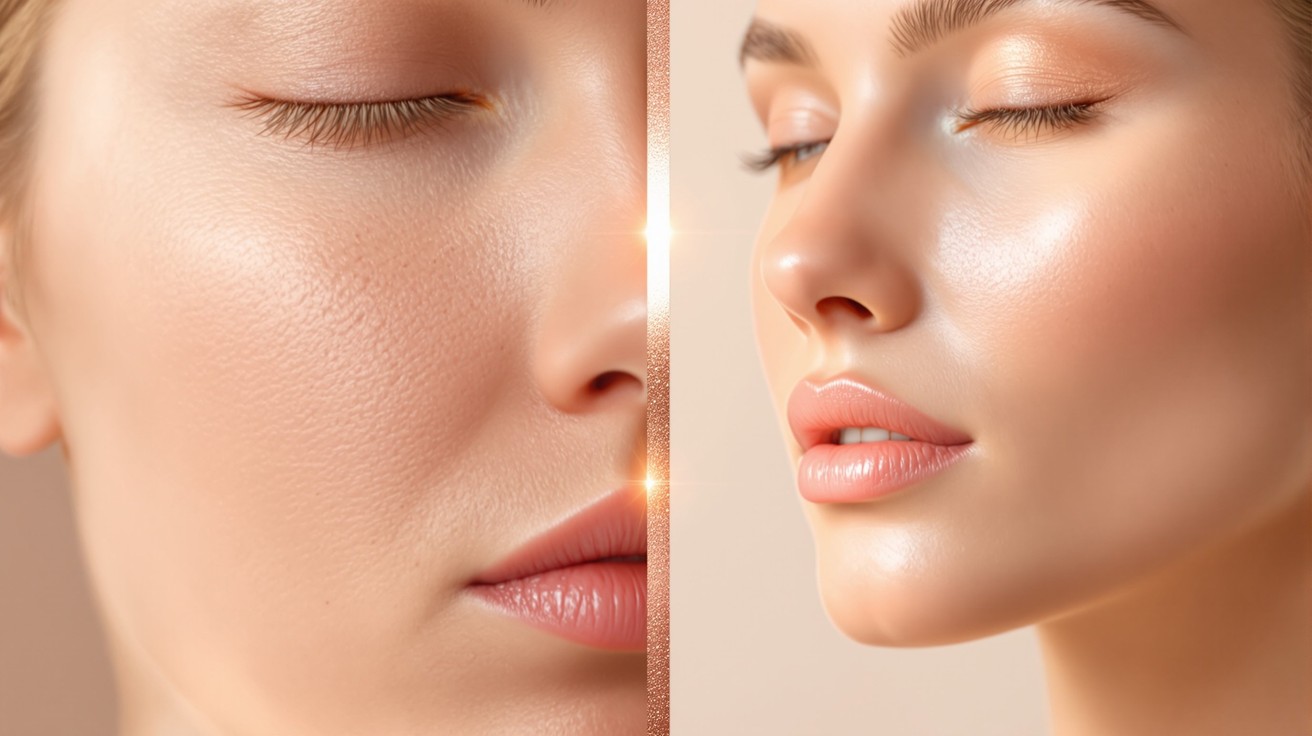
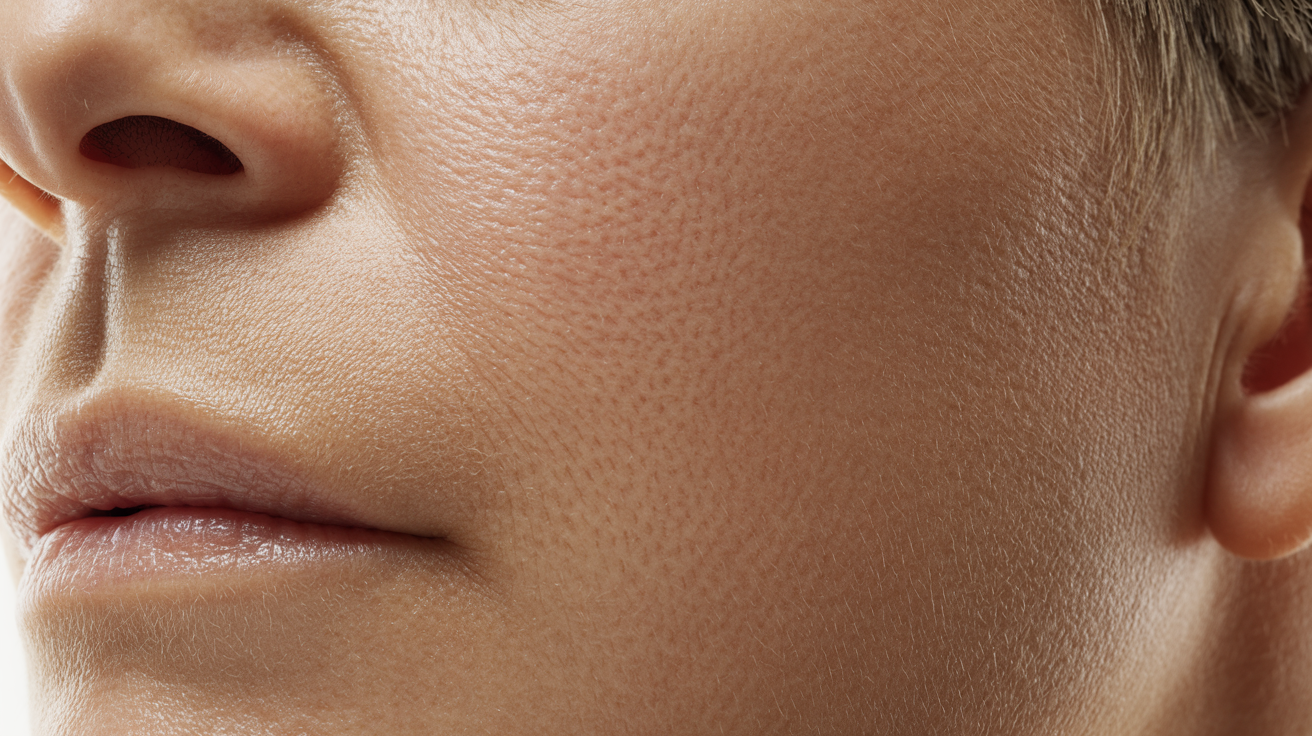
Wrinkles aren't a failure of aging well—they're a signal that skin biology has changed. Collagen slows, elastin weakens, and the skin's ability to repair itself fades long before most people realize what's happening.
What you see in the mirror is often the final chapter of a process that started years earlier. Understanding this process is the first step toward effective treatment.
The Role of Collagen
Collagen is the protein that gives your skin its structure and firmness. After age 25, collagen production naturally decreases by about 1% each year. This gradual decline is accelerated by sun exposure, smoking, poor nutrition, and other environmental factors.
Types of Collagen Loss
Type I collagen provides structure, while Type III supports elasticity. As we age, both types diminish—but at different rates depending on genetics, lifestyle, and environmental exposure. UV radiation is the single greatest accelerator of collagen breakdown.
Curious what's possible for you?
Schedule a complimentary skin analysis to see which treatments match your goals.
The Elastin Factor
While collagen provides structure, elastin allows skin to snap back into place. Once damaged, elastin is nearly impossible to restore naturally. This is why prevention and early intervention matter significantly more than waiting until lines become deep.
Beyond Surface-Level Treatments
Most wrinkle treatments chase the surface. At Gentle Revive, we focus on why the wrinkle formed in the first place—muscle movement, collagen loss, skin thinning, or volume changes—and address the underlying cause with the least invasive, most appropriate solution.
Treating the Cause, Not the Symptom
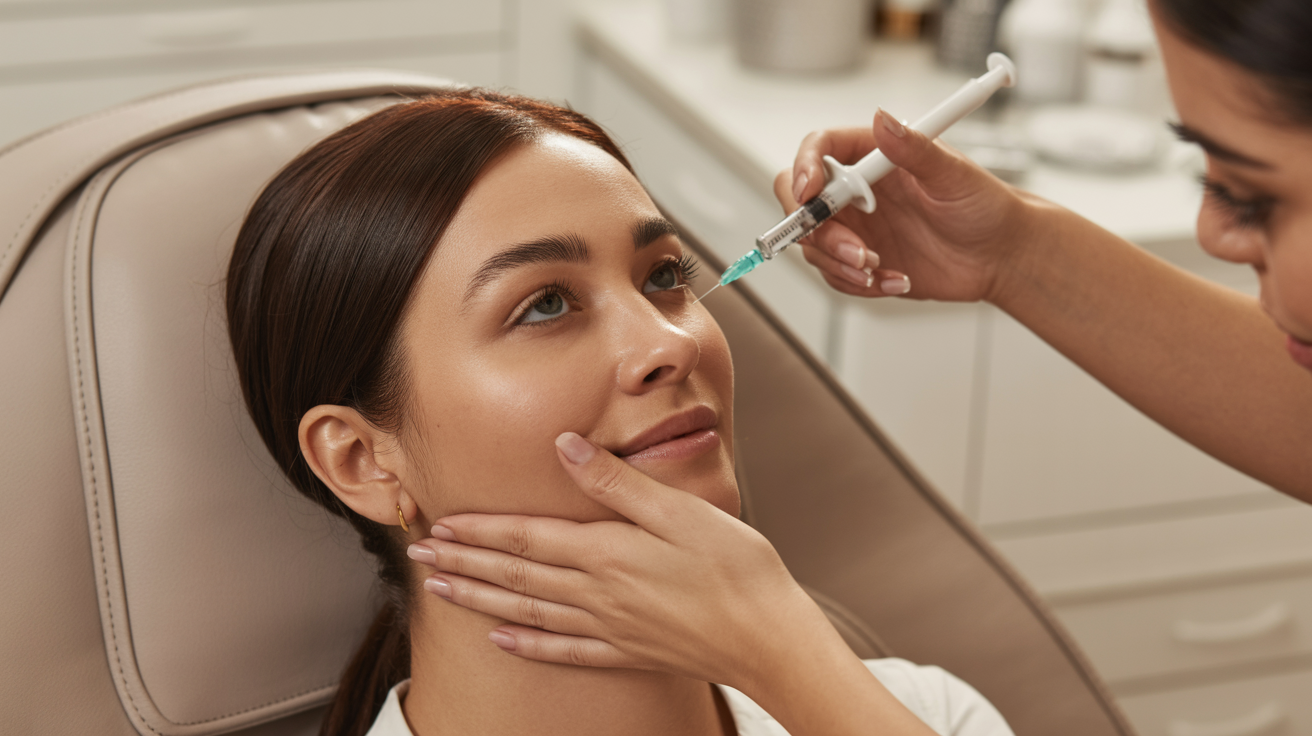
Dynamic wrinkles (from muscle movement) respond well to neuromodulators like Botox. Static wrinkles (from volume loss) often need dermal fillers or collagen stimulators. Textural changes require resurfacing technologies like laser or microneedling with radiofrequency.
Taking the Next Step
If wrinkles are making you look more tired, older, or less like yourself, a personalized consultation can clarify what's actually happening beneath your skin—and what will truly help.
About This Article
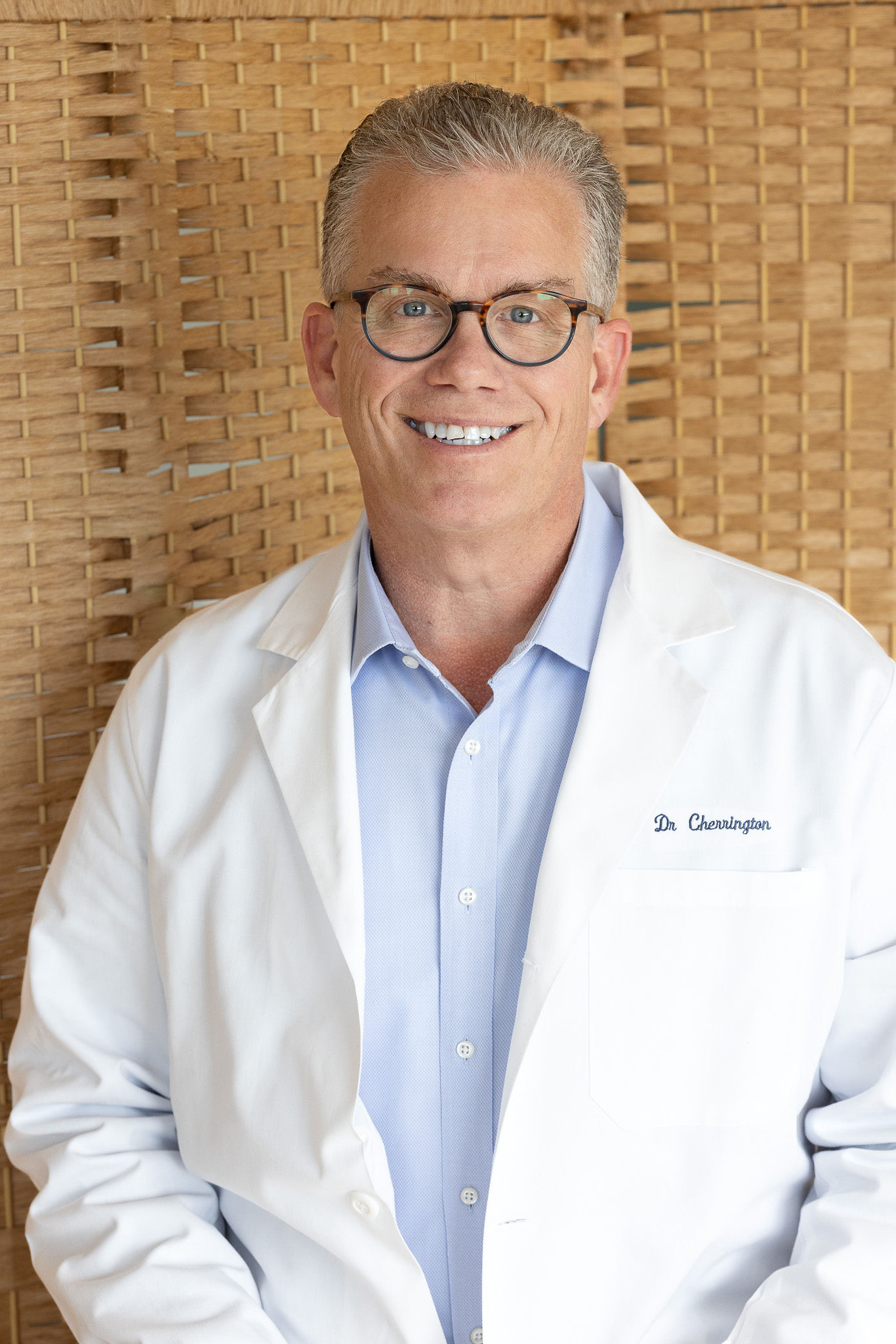
Dr. Steven Cherrington, DO
Board-Certified Osteopathic Physician • Medical Director, Gentle Revive • Fellow, American Academy of Anti-Aging Medicine
Dr. Steven Cherrington is a Board-Certified Osteopathic Physician and Medical Director at Gentle Revive. With over 15 years of experience in regenerative and aesthetic medicine, Dr. Cherrington specializes in helping patients achieve natural, lasting results through evidence-based treatments.
Editorial Process: Initial content ideas and drafts may be generated with the assistance of AI language models. Every article is then thoroughly reviewed, edited, and medically verified by our clinical team before publication to ensure accuracy, relevance, and alignment with current medical standards.
This content is for informational purposes only and does not constitute medical advice. Always consult with a qualified healthcare provider for personalized guidance.