

"Sun damage" is a catchall phrase that refers to any harm done to your skin by the sun—and for many reasons, prevention is always better than cure.
The Cumulative Problem
Daily protection is critical for avoiding sun damage from both UVA and UVB rays. Much of the sun damage that accumulates in our skin is the result of daily incidental sun exposure—not just beach days or outdoor activities.
Various studies have shown that regardless of the weather or daily activities, people who used sunscreen every day aged significantly better than those who only applied it occasionally.
What Sun Damage Actually Does
UV radiation doesn't just cause sunburns. It damages the DNA in your skin cells, breaks down collagen and elastin (the proteins that keep skin firm and supple), and triggers abnormal pigment production.
Over time, this manifests as:
- Premature wrinkles and fine lines
- Age spots and uneven pigmentation
- Loss of skin elasticity
- Rough, leathery texture
- Broken capillaries and redness
- Precancerous lesions (actinic keratoses)
- Skin cancers
Curious what's possible for you?
Schedule a complimentary skin analysis to see which treatments match your goals.
Smart Protection Strategies
Don't wait until you see signs of sun damage to start protecting your skin. Daily SPF is essential—wear sunscreen on any skin exposed to direct sunlight, not just when you go to the beach.
Daily Habits That Matter
- Apply broad-spectrum SPF 30+ every morning as part of your routine
- Reapply every 2 hours during extended outdoor time
- Wear hats and sunglasses to protect your eyes and face
- Seek shade when the sun is at its strongest (typically 10am-4pm)
- Wear protective clothing when practical
Treating Existing Sun Damage
If years of sun exposure have already left their mark, modern treatments can make a significant difference. IPL photofacials target pigmentation and redness. Laser resurfacing stimulates collagen production to improve texture. Chemical peels reveal fresher, more even-toned skin beneath the damaged surface layer.
At Gentle Revive, we combine these treatments with medical-grade skincare to help reverse visible sun damage while protecting against future harm. The best time to start? Today.
About This Article
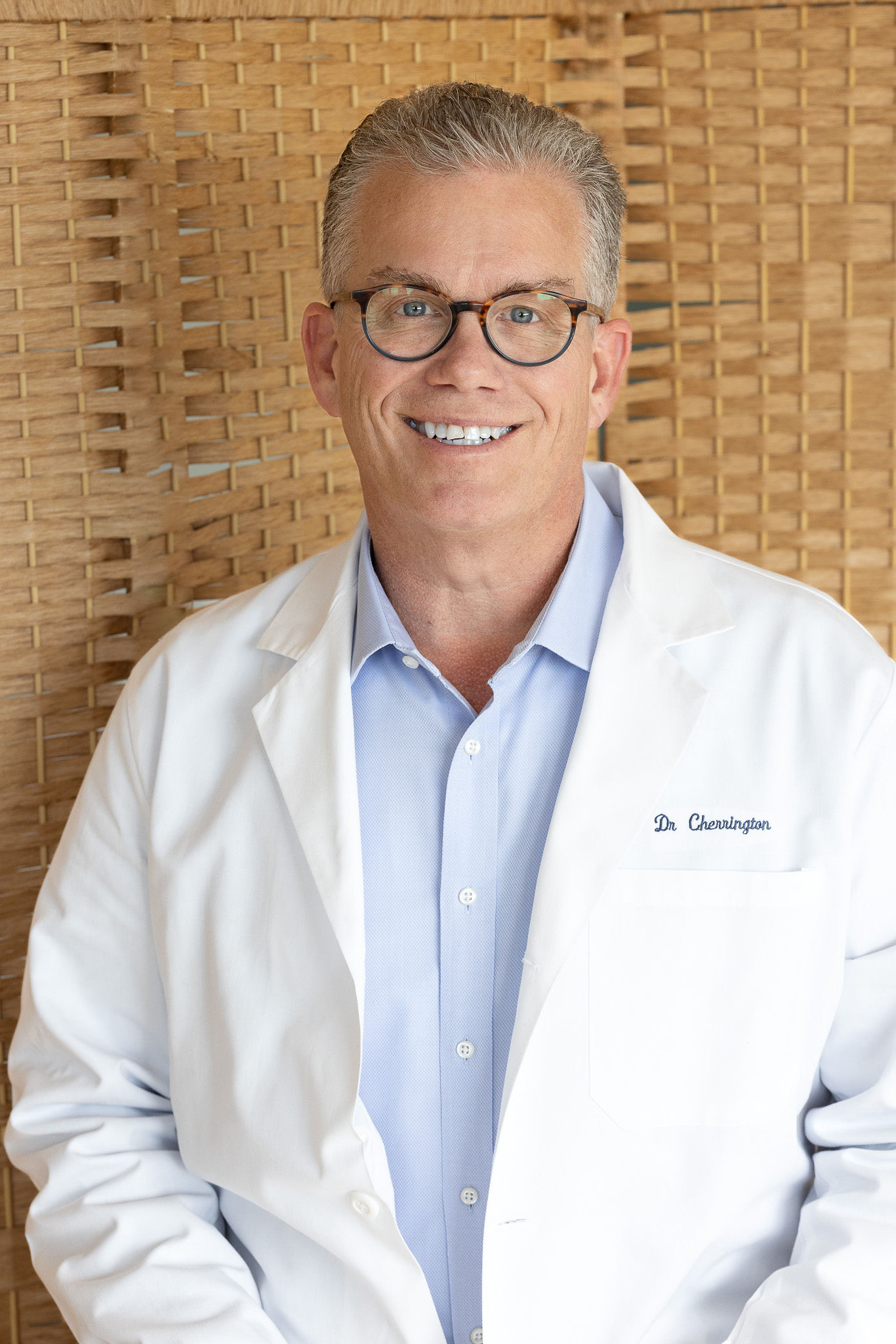
Dr. Steven Cherrington, DO
Board-Certified Osteopathic Physician • Medical Director, Gentle Revive • Fellow, American Academy of Anti-Aging Medicine
Dr. Steven Cherrington is a Board-Certified Osteopathic Physician and Medical Director at Gentle Revive. With over 15 years of experience in regenerative and aesthetic medicine, Dr. Cherrington specializes in helping patients achieve natural, lasting results through evidence-based treatments.
Editorial Process: Initial content ideas and drafts may be generated with the assistance of AI language models. Every article is then thoroughly reviewed, edited, and medically verified by our clinical team before publication to ensure accuracy, relevance, and alignment with current medical standards.
This content is for informational purposes only and does not constitute medical advice. Always consult with a qualified healthcare provider for personalized guidance.